Updated for 2026.
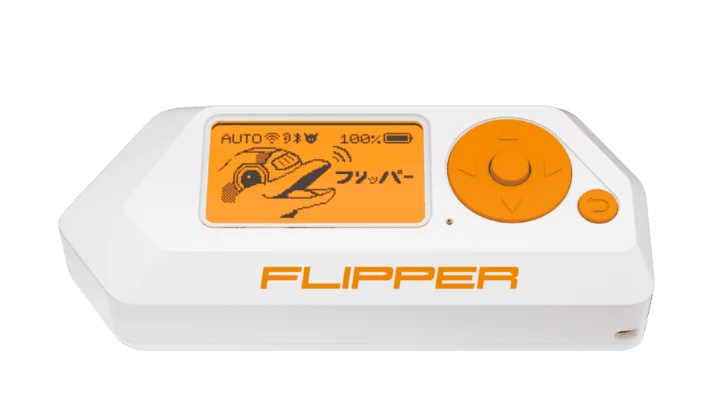
I bought a Flipper Zero because everyone said it does everything. It does a lot, but after a few weeks I kept hitting its limits: the sub-GHz radio only covers a few bands, the RFID tools are fine for reading but basic for real analysis, and there is no Wi-Fi without an add-on board.
So I started trying the tools people recommend instead. None of them were things I had used before, and this post is my first-time experience with each one: what was easy, what confused me, and which one I would buy again.
Quick verdict: if you want one device that feels like a more powerful Flipper Zero, get the HackRF One with a PortaPack. If you only care about access cards, get a Proxmark3. If you are on a budget and just curious about radio, start with an RTL-SDR.
The Alternatives at a Glance
| Device | What it does better than Flipper Zero | Works on its own? | First-time difficulty |
|---|---|---|---|
| HackRF One + PortaPack | Radio from 1 MHz to 6 GHz, transmit and receive | Yes, with PortaPack | Medium |
| RTL-SDR Blog V4 | Cheap, wide-band radio listening | No, needs a computer | Easy |
| Yard Stick One | Sub-1 GHz analysis and replay | No, needs a computer | Hard |
| Ubertooth One | Bluetooth sniffing | No, needs a computer | Hard |
| Proxmark3 | Deep RFID and NFC research | Mostly no | Medium |
| Bus Pirate | Talking to chips over UART, I2C and SPI | No, needs a computer | Medium |
| ChameleonMini / Ultra | Carrying and emulating many cards | Yes | Easy |
| Proxmark3 EVO | Proxmark power in a smaller board | Mostly no | Medium |
1. HackRF One + PortaPack: The One That Won
No products found.
The HackRF One is a software-defined radio that can receive and transmit anywhere from 1 MHz to 6 GHz. On its own it plugs into a computer. Add a PortaPack H2 and it becomes a handheld with its own screen, controls and battery, which is what makes it feel like a bigger Flipper Zero.
In 2026 most kits ship with a newer PortaPack (the H2 is still around, and the H4M is the current model), and nearly everyone runs the community Mayhem firmware.
Best for: anyone who outgrew Flipper Zero’s radio and wants a portable all-rounder.
Watch out for: transmitting. Many frequencies are licensed, so stick to receiving unless you know the rules where you live.
2. RTL-SDR Blog V4: The Cheapest Way to Start
No products found.
The RTL-SDR is a small USB dongle that turns a laptop into a radio receiver. The RTL-SDR Blog V3 SDR was the go-to for years; the V4 is now the current model and handles the lower (HF) bands better. It can only listen, not transmit, but for learning that is a feature, not a bug.
Best for: curious beginners who want to learn radio before spending real money.
3. Yard Stick One: Powerful, but Not for Day One
No products found.
The Yard Stick One is a USB radio for frequencies below 1 GHz, which is where most remotes, sensors and smart home gadgets talk. It lets you capture, analyse and replay those signals with much finer control than Flipper Zero.

Best for: people comfortable with Python who want to study sub-GHz devices properly.
4. Ubertooth One: Bluetooth Under the Hood
No products found.
The Ubertooth One is an open-source tool for sniffing and studying Bluetooth traffic. Flipper Zero can talk Bluetooth Low Energy, but it cannot show you what is going on between other devices the way Ubertooth can.

Best for: anyone researching Bluetooth Low Energy devices.
5. Proxmark3: The RFID Tool Everyone Ends Up Buying
No products found.
The Proxmark3 is the standard tool for RFID and NFC research. It reads, analyses and emulates both low-frequency (125 kHz) and high-frequency (13.56 MHz) cards in far more depth than Flipper Zero. You can buy the premium RDV4 or a cheaper “Easy” clone; either way, most people flash the community Iceman firmware.

Best for: anyone serious about access cards and NFC.
6. Bus Pirate: For Talking to Chips
No products found.
The Bus Pirate sits between your computer and a circuit board and lets you talk to chips over UART, I2C, SPI and other serial protocols. It covers ground Flipper Zero’s GPIO pins only touch on.

Best for: hardware tinkerers and anyone poking at electronics.
7. ChameleonMini (and Chameleon Ultra): Cards in Your Pocket
No products found.
The ChameleonMini is a pocket-sized device for emulating RFID cards. Where Proxmark3 is a lab tool, Chameleon is something you carry. In 2026 the newer Chameleon Ultra is the one most people buy, since it covers both low and high-frequency cards.

Best for: people who want to carry and test several of their own cards in one device.
8. Proxmark3 EVO: Proxmark in a Smaller Board
No products found.
The Proxmark EVO takes the Proxmark3 design and packs it into a smaller board. It runs the same software, so everything above applies.
Best for: people who want Proxmark power in a smaller package.
Which One Wins?
For me, the HackRF One with a PortaPack wins. It is the only alternative that feels like a step up from Flipper Zero rather than a sideways move, and it still works without a laptop.
That said, the right choice depends on what made you look past Flipper Zero:
- You want more radio: HackRF One + PortaPack.
- You just want to try radio cheaply: RTL-SDR Blog V4.
- You care about access cards and NFC: Proxmark3, plus a Chameleon if you want something pocketable.
- You want to open up hardware: Bus Pirate.
Whichever you pick, only test devices, cards and networks you own or have permission to test. Cloning or replaying someone else’s signals is illegal in most places.
For a quick side-by-side, see our Flipper Zero alternatives overview, or our head-to-heads: Flipper Zero vs Proxmark and Flipper Zero vs Rubber Ducky.